We independently score every service with our Experience Index. We may earn a commission if you subscribe through links on this page — it never affects our scores or picks.
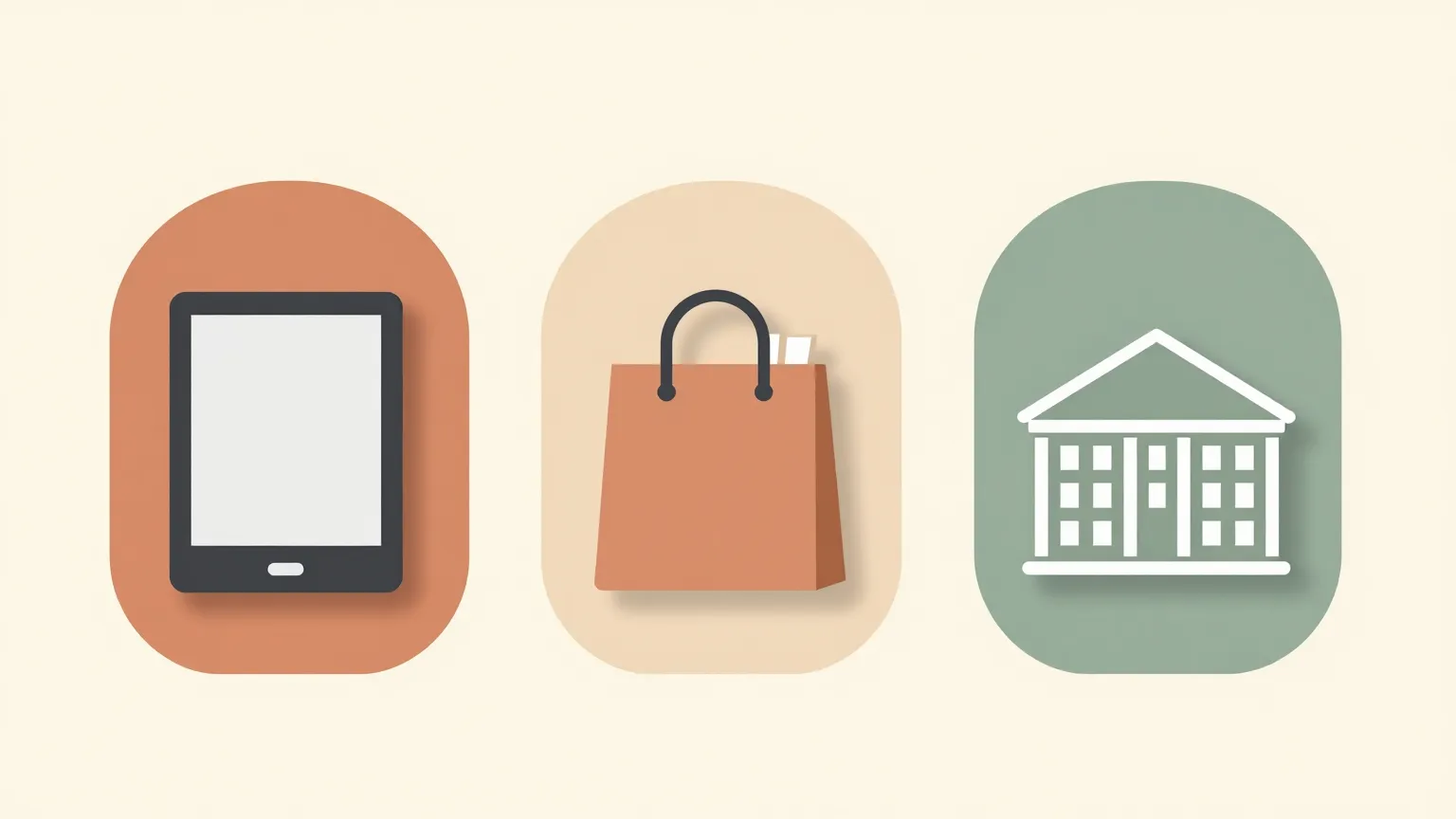
This is really a three-way fight, not a two-way one, and most "is Kindle Unlimited worth it?" comparisons quietly skip the option that costs nothing: your public library. The honest framing is a trade between money and patience. Buying gives you instant ownership but adds up fast. Kindle Unlimited gives you instant, unlimited access for a flat fee but only to its own catalog. The library gives you a huge catalog for free but makes you wait in line for the popular stuff. Here is the break-even math on all three.
How much does each option actually cost?
The three models price completely differently, which is why "cheapest" depends entirely on how much you read.
Kindle Unlimited is a flat subscription: about $11.99/month (as of June 2026), plus any state sales tax. For that you borrow as many titles as you want from a catalog of over 4 million ebooks (plus a slice of audiobooks, comics, and magazines), capped at 20 checked out at a time. Prepaid 6-, 12-, and 24-month plans shave roughly 8–17% off the monthly rate, and there is usually a 30-day free trial. Nothing you borrow is yours — return it or cancel and it leaves your library.
Buying à la carte has no fixed price because Amazon lets publishers and indie authors set their own. Indie and self-published ebooks frequently land in the $0.99–$9.99 range; traditionally published new releases from the big houses commonly run about $12.99–$14.99. The upside is permanence: a purchased ebook is yours forever, no subscription required.
The honest framing is a trade between money and patience.
The library, through the free Libby app (powered by OverDrive), costs nothing beyond a library card. No subscription, no per-title fee, no late fees — loans (commonly 21 days for ebooks) return themselves automatically. The catch is the licensing model: libraries buy a limited number of digital copies, so popular titles have holds and you wait your turn.
| Option | Price (US, June 2026) | What you get | Keep it? | Best for |
|---|---|---|---|---|
| Kindle Unlimited | About $11.99/mo | Unlimited borrowing, 20 titles at a time, 4M+ catalog | No — returns on cancel | Heavy readers who hate waiting |
| Buy à la carte (indie) | About $0.99–$9.99/book | One ebook you own permanently | Yes — yours forever | Light readers buying a few cheap titles |
| Buy à la carte (new release) | About $12.99–$14.99/book | One big-publisher ebook you own | Yes — yours forever | Readers who must own a specific bestseller |
| Library via Libby | Free (library card) | Borrowed ebooks/audiobooks, holds + 21-day loans | No — loans expire | Anyone willing to wait; all light readers |
What is the break-even point for Kindle Unlimited?
The break-even is lower than people assume, but it comes with a trap.
On pure arithmetic, KU at about $11.99/month pays for itself the moment you read more than you would have bought. If you buy indie ebooks at around $4–$6 apiece, you need to read roughly two or three a month to come out ahead. If you read traditionally published new releases at about $12.99–$14.99 each, a single one nearly covers the whole month — so KU looks like a slam dunk.
Here is the trap: the expensive new releases that make the math look best are exactly the titles least likely to be in the Kindle Unlimited catalog. KU leans heavily toward indie, self-published, and back-catalog titles, and most big-name, just-released bestsellers are not included. So the realistic break-even is "do you read at least two or three KU-eligible books a month?" If yes, the subscription wins. If you mostly want this year's buzzy hardcover-equivalent, you will be buying those à la carte regardless — and KU does not change that bill.
Where does the free library fit in?
For most readers, the library should be the default, and Kindle Unlimited the upgrade you buy only if the library frustrates you.
Through Libby, your card unlocks a genuinely large catalog of ebooks and audiobooks — including many of the big new releases that Kindle Unlimited lacks — for free. You read them in the Libby app or, in many US libraries, send them straight to a Kindle. The only real costs are structural: libraries license a limited number of digital copies, so a hot title may carry a hold of weeks or months, and once your hold is ready you have a short window (often 72 hours) to check it out. Loans expire on their own, typically after 21 days, with no late fees.
So the library beats both paid options on price — it is free — and often beats Kindle Unlimited on catalog for marquee titles. What it cannot do is give you instant, on-demand access to whatever you want the second you want it. That immediacy is the single thing you are actually buying when you pay for KU.
Which should you pick?
It comes down to your reading volume and your patience with waitlists.
Pros
- Kindle Unlimited: instant, unlimited borrowing for a flat ~$11.99/month — no waitlists, no per-title cost.
- Buying à la carte: the only option that lets you own a book permanently, and the only reliable way to get a specific new release.
- Library (Libby): completely free, with a large catalog that often includes the big releases KU skips.
- Library (Libby): no subscription to cancel and no late fees — loans return themselves.
Cons
- Kindle Unlimited: catalog skews indie, and most major new releases aren't included; borrowed titles vanish when you cancel.
- Buying à la carte: costs add up fast — a few new releases a month easily exceeds the price of either subscription.
- Library (Libby): popular titles have real waitlists, and you can't keep anything.
- All three: only buying gives you permanent ownership.
Start with the library if you read casually, you're price-sensitive, or you don't mind waiting a few weeks for popular books. It's free, the catalog is deep, and for a lot of people it's all they ever need.
Pay for Kindle Unlimited if you read at least two or three KU-eligible books a month, you hate waitlists, and you mostly read in the genres (romance, sci-fi/fantasy, thrillers, nonfiction from indie authors) where its catalog is strongest. The flat fee buys immediacy and volume.
Buy à la carte only for the specific titles you must own or that none of the above carries — a brand-new bestseller, a book you'll reread for years. For most people, buying is the supplement, not the strategy.
Try Kindle Unlimited free for 30 daysFrequently asked questions
How many books do I need to read for Kindle Unlimited to pay off?
Is the library really free for ebooks?
Do I keep books I read on Kindle Unlimited?
Still deciding whether the subscription itself is worth it? Our Is Kindle Unlimited worth it? guide digs into the catalog quality and who the plan really serves. To see how Kindle Unlimited handles price changes and cancellations over time before you commit, check our Experience Index.